Fixed price, time and materials or phased development
Compare the three main software project pricing models and see which one fits your scope, budget and risk profile.
By Η ομάδα της Argonstack, TechIns Group
The pricing model is not an accounting detail. It determines who carries the risk of uncertainty, how easily scope can change, and what behavior gets encouraged while building a custom project.
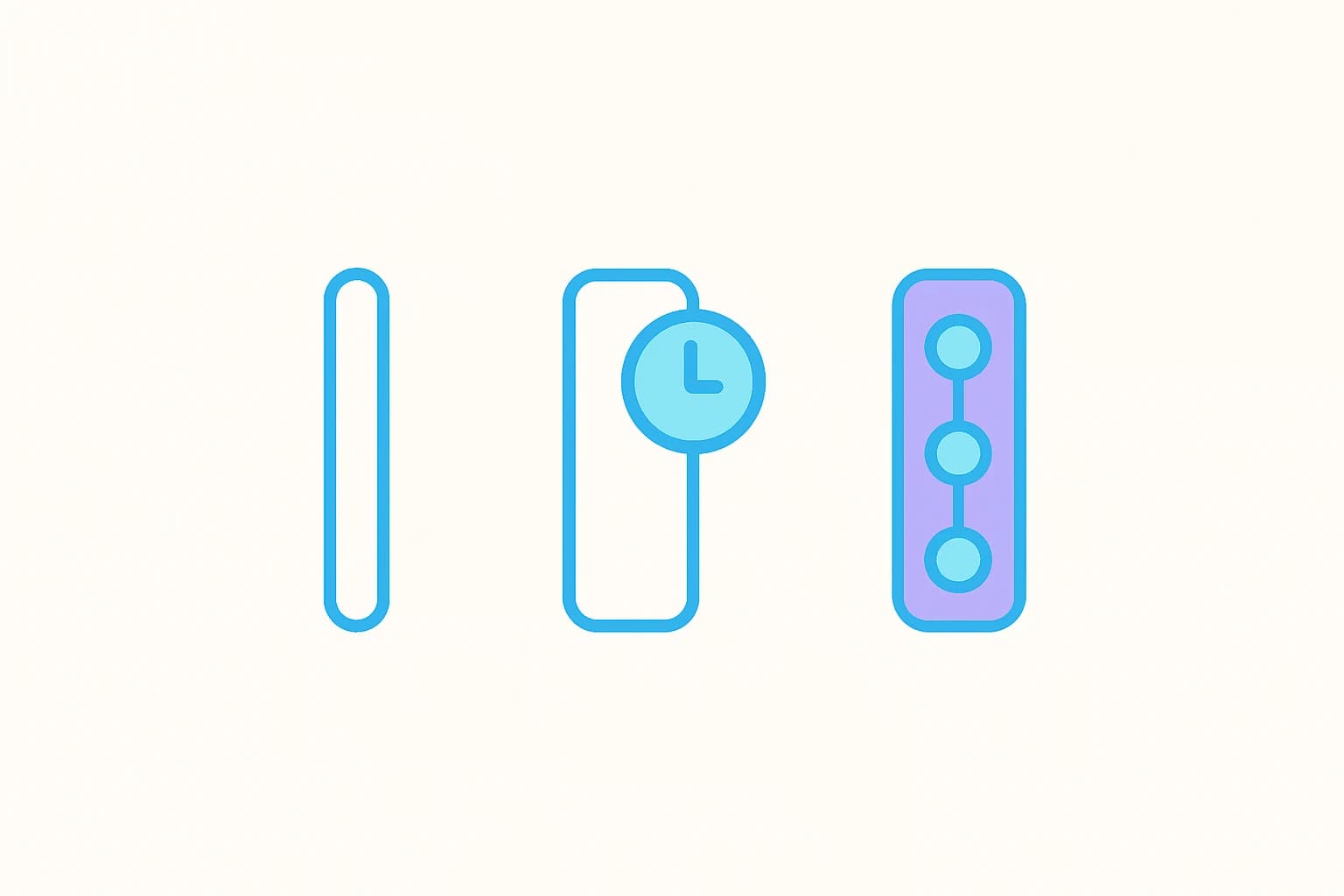
Fixed price offers predictability when the scope is mature. Time and materials offers flexibility when the solution will evolve through testing. Phased development limits commitment, because each stage produces a decision and a deliverable before the next one is approved.
How fixed price works
In fixed price, specific deliverables, a price and a timeline are agreed in advance. The vendor estimates the required work and takes on the risk if the agreed scope ends up needing more time.
The model works well when requirements are clear, integrations are known and acceptance criteria are objective. The client gains better budget predictability.
The weakness of the model is that reality changes. If the scope was not captured correctly, every new need becomes a change request. The vendor has an incentive to protect the scope, and the client may feel that every useful improvement is billed as an extra. The price also typically includes a margin for the risk the vendor is taking on.
How time and materials works
In time and materials, the client pays for the team's actual time and the agreed expenses. The backlog can change based on what the team learns along the way.
The model suits new products, uncertain integrations, and projects where value emerges through continuous testing. It allows priorities to shift without needing a new contract for every detail.
The main risk is open-ended total cost. Without a strong product owner, a budget cap, regular demos and velocity tracking, the project can consume time without sufficient progress.
How phased development works
In phased development, the project is split into stages, each with its own purpose, cost and go/no-go decision. A common first stage is discovery and technical design. This is followed by a prototype or MVP, then a production release, and finally further enhancements.
The advantage is that the company does not commit the entire budget before uncertainty is reduced. Each stage produces evidence that makes the next estimate more accurate.
The downside is that the final price is not known from day one. For organizations that need a single approved expenditure, this can create internal friction.
Which model fits which project
For a clearly defined corporate website, a limited integration, or a well-understood application with stable requirements, fixed price can work effectively.
For a new SaaS product, an AI workflow, or a complex platform where needs will change after real-world use, time and materials is often more honest.
For a significant project involving uncertainty, but also requiring management oversight, phased development offers the best balance. Discovery can be fixed price, while development runs phase by phase against an approved budget. How a software house is chosen directly affects which model will work well in practice.
The best choice is often hybrid
A mature commercial model can combine fixed price for specific deliverables with time and materials for changes or research. For example: fixed price discovery, fixed price MVP with clear acceptance criteria, and a monthly capacity model for post-launch improvements.
This reduces false certainties. The client gets control over critical milestones, and the vendor is not forced to price unknown risk as if it were known.
What the contract must cover
Regardless of the model, the contract must define scope, deliverables, roles, assumptions, acceptance criteria, cadence, reporting, the change process, rights, data, support and termination procedure. The terms of code and data ownership must be clear regardless of the commercial model.
In fixed price, the change mechanism must be extremely clear. In time and materials, there must be a rate card, timesheets or another transparency mechanism, a spending cap and frequent forecasts. In the phased model, it must be stated that each new phase requires separate approval.
Practical recommendation
Don't choose fixed price just because you want certainty. If the scope is unclear, that certainty will be either expensive or illusory. Don't choose time and materials without an internal owner and a budget cap. Don't choose phased development if leadership is not available to make decisions at the milestones.
Argonstack shapes the collaboration model according to how mature the scope is and the risk profile of the project. The goal is aligned incentives and a real ability to stay in control.
Next step
Choose your engagement model based on how mature your scope is and the actual risk of your project.
Frequently asked questions
Which model is cheaper?
None of them, on its own. Total cost depends on uncertainty, changes and the quality of project management. A poorly defined fixed price can lead to numerous change requests. An unmanaged time and materials engagement can consume budget without clear value.
Can time and materials have a cap?
Yes. A monthly or overall cap can be agreed, with mandatory approval required before it is exceeded.
Should discovery be paid?
For complex projects, yes, because it produces a real deliverable, reduces risk and enables a reliable estimate.